
4 min read · June 29, 2027
Dividend Yield vs. Total Return: Which Should You Track?
Dividend yield only counts the cash dividends a stock pays; total return combines dividends with the change in share price — and for long-term wealth building, total return is the number that actually matters, since a low-yield stock with strong price growth can easily outperform a high-yield stock that's stagnant or declining.
What each metric actually measures
Dividend yield = annual dividend per share ÷ share price, a snapshot of cash income relative to what you paid. It says nothing about whether the stock's price is rising, falling, or flat — a high yield can be a sign of strong income, or a sign the price has dropped sharply (which mechanically raises the yield without anything actually improving).
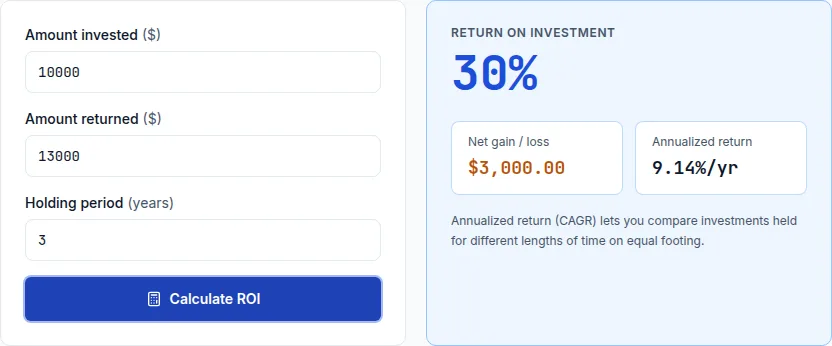
Total return = (ending value + dividends received − starting value) ÷ starting value, capturing everything that happened to your money. A $10,000 investment that grew to $13,000 including all dividends received is a 30% total return, regardless of how much of that came from price appreciation versus dividend checks.
Why a 2% yielder can beat a 6% yielder
A company yielding 2% but growing its earnings and dividend 10% a year can outperform a flat 6% yielder within just a few years, because compounding growth in both the dividend and the underlying share price eventually swamps a static high yield that never increases. This is exactly why total return, not yield, is the metric long-term investors are advised to anchor on.
Yield-chasing — buying whatever pays the highest current dividend — is a common mistake precisely because it ignores this: an unsustainably high yield is often a warning sign (the market pricing in a future dividend cut) rather than a genuine opportunity.
When yield is still the right number
For someone actually living off portfolio income in retirement, current cash yield is directly relevant in a way total return isn't — you can't spend unrealized price appreciation without selling shares, but a dividend check is cash in hand regardless of what the share price did that day.
The practical split: accumulation-phase investors building wealth should track total return; distribution-phase investors relying on portfolio income should weight dividend yield and reliability more heavily alongside it.
Put it into practice
The fastest way to learn the math is to play with the numbers.
Open the ROI Calculator